
 Jovis AI
AI agent RFP: 15 questions executives should ask before selecting a vendor
Use an executive AI-agent RFP to compare real workflow fit, data access, human controls, and operating accountability—not just a polished demo.
Use an executive AI-agent RFP to compare real workflow fit, data access, human controls, and operating accountability—not just a polished demo.
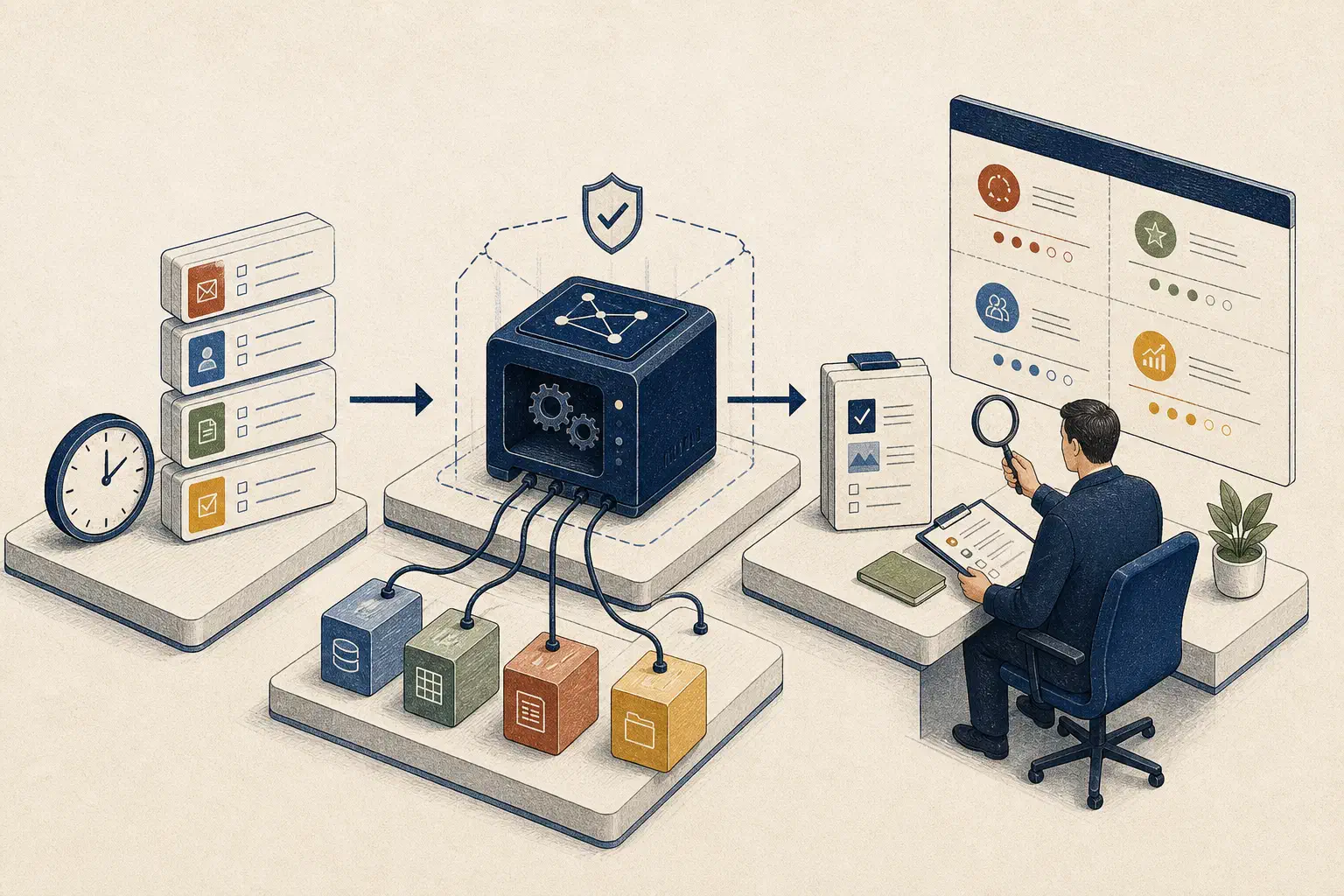
Build a defensible AI-agent business case using a real baseline, quality-adjusted outcomes, full operating cost, and clear scale-or-stop gates.
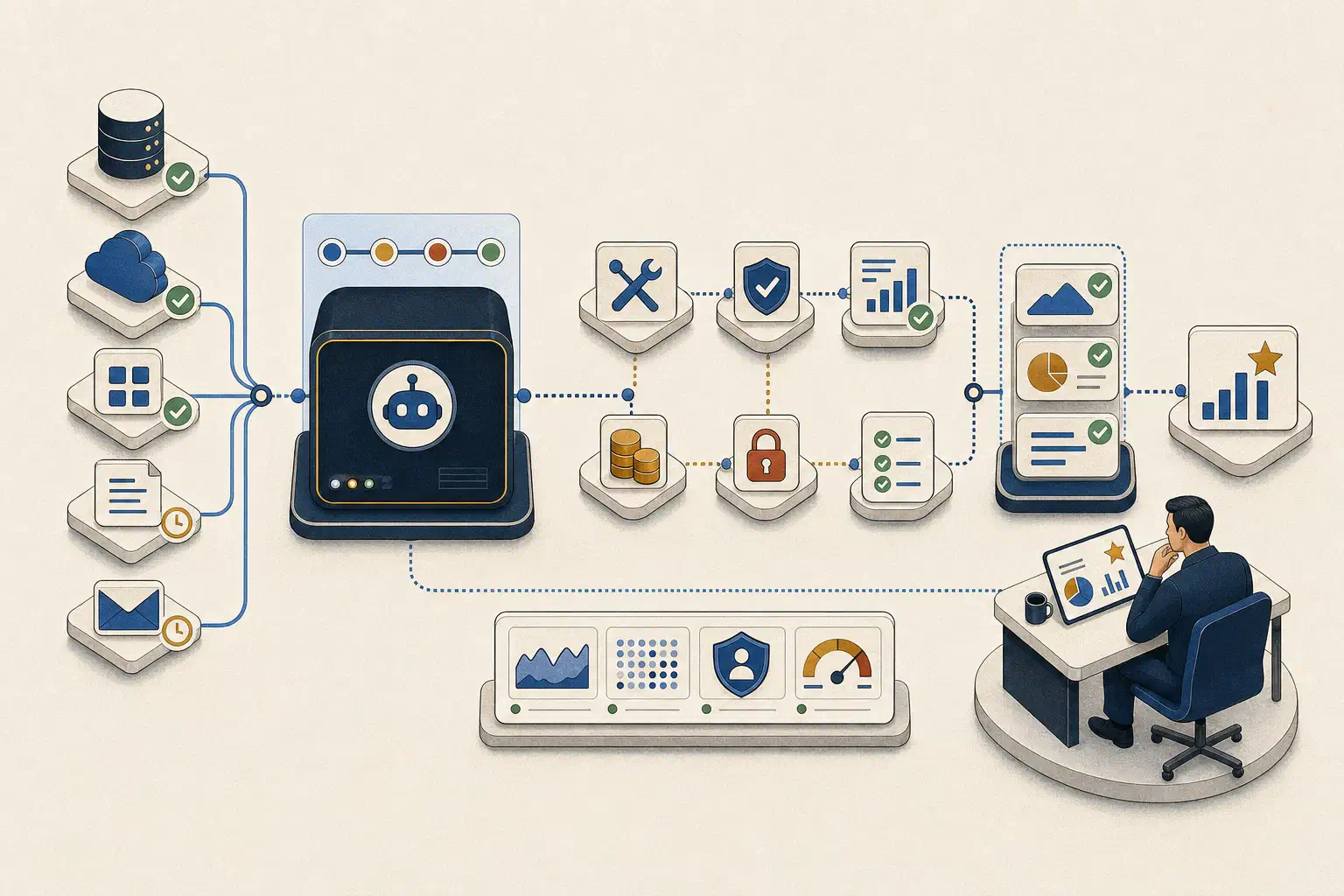
A practical monitoring model for tracing agent runs, data freshness, permission decisions, evidence quality, and business outcomes.

Decide which parts of an enterprise AI-agent system to build, buy, or combine using business, data, governance, and lifecycle criteria.
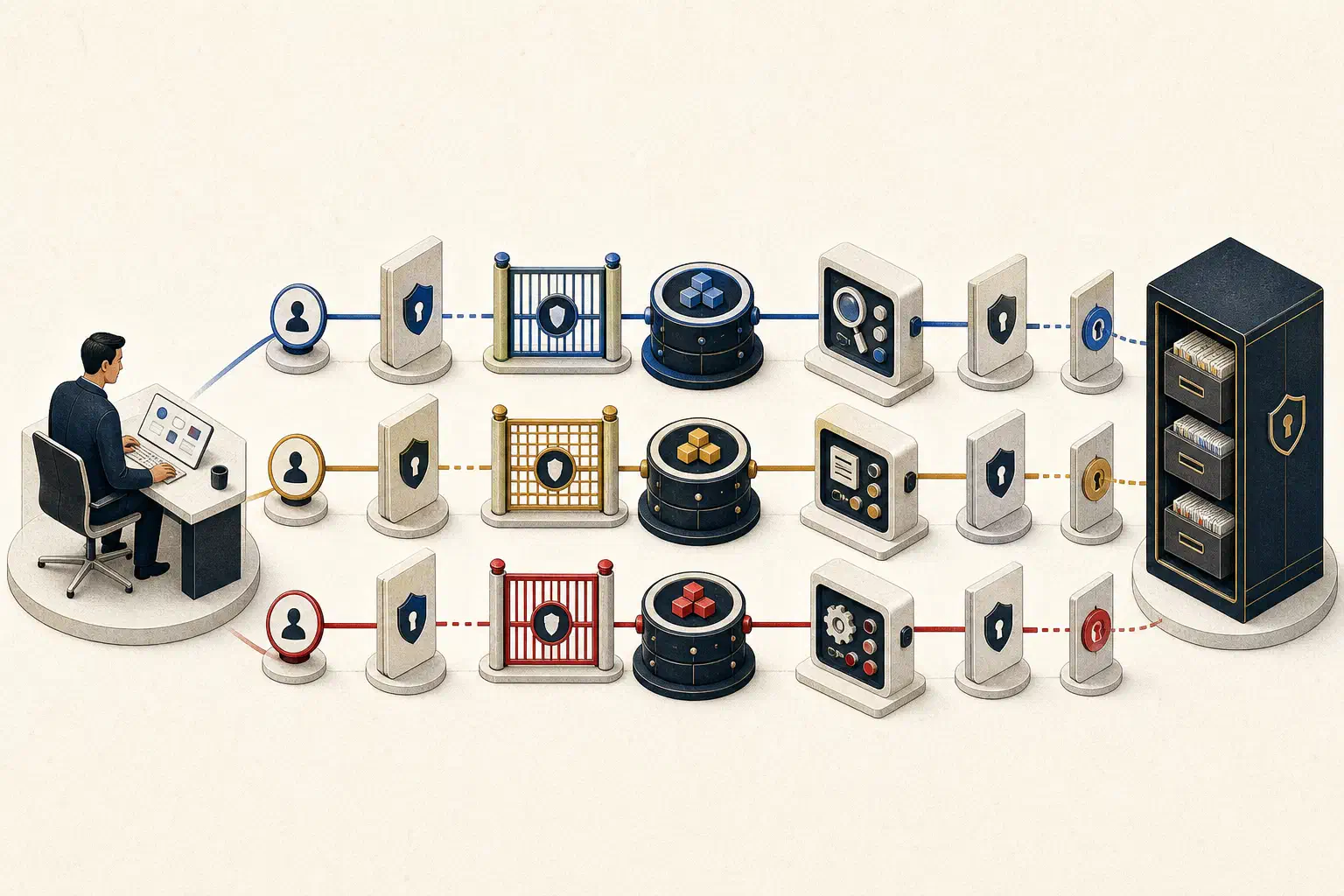
Design AI-agent access across user identity, tools, business systems, approvals, and audit records without relying on the model as a security boundary.
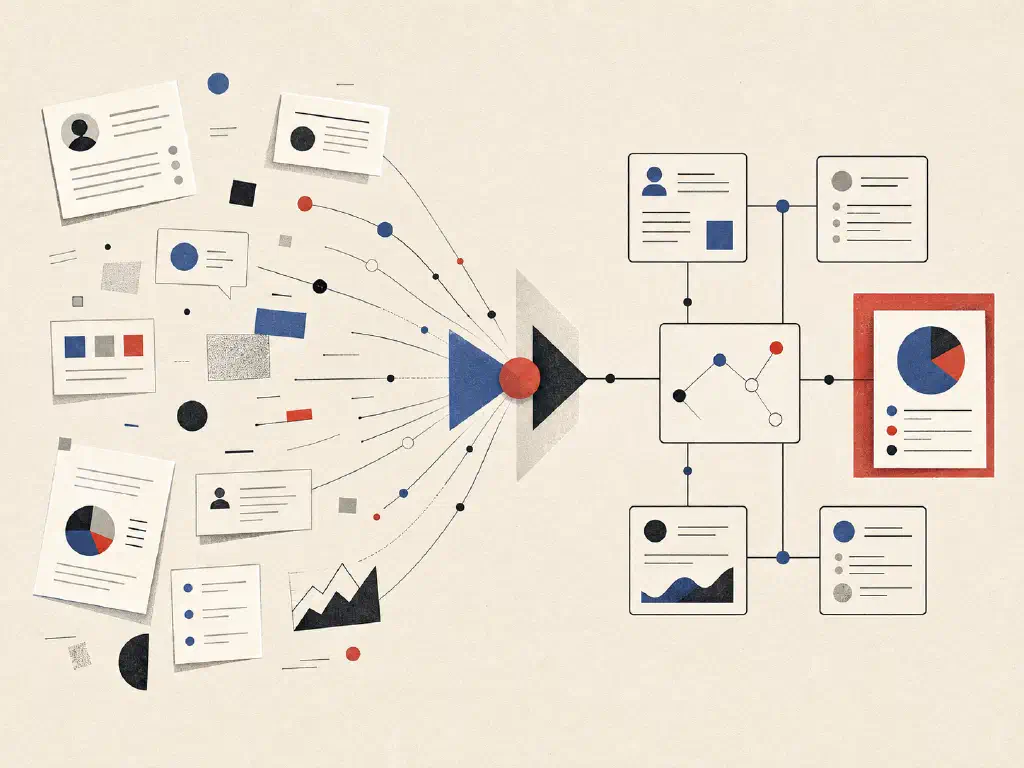
A business answer needs more than a number. Learn how definitions, lineage, time, permissions, and operational history turn data into a decision.
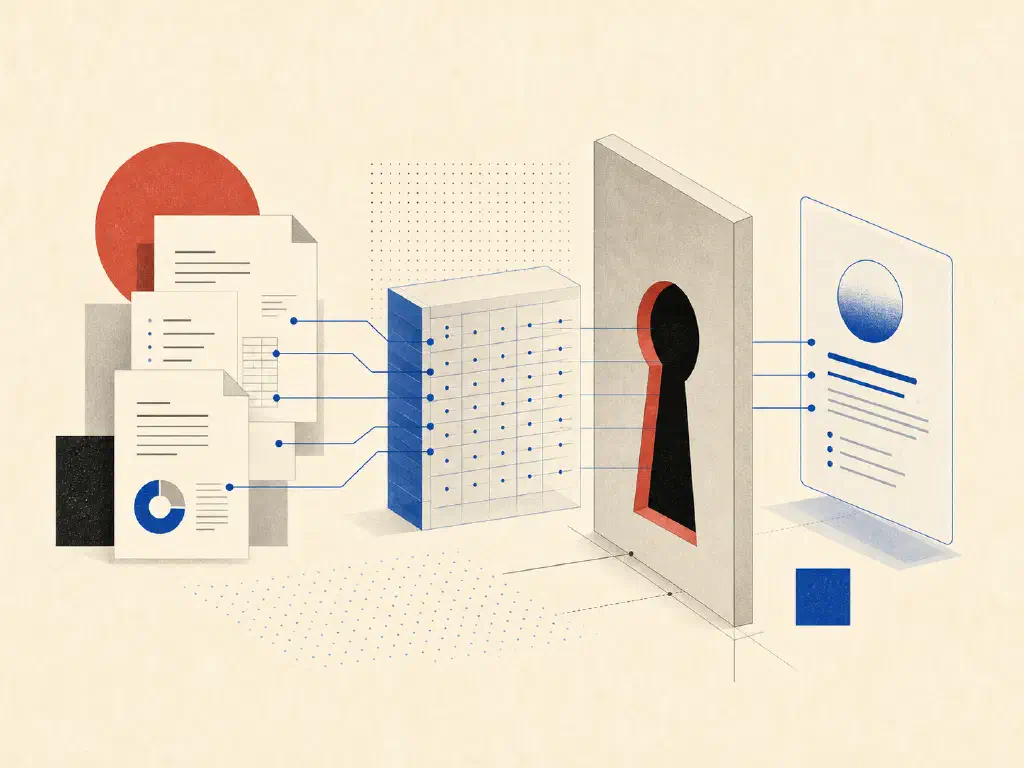
Use a practical trust contract for business-data AI: approved sources, shared definitions, access checks, inspectable evidence, and known limits.

Define where AI belongs in recurring work, who owns it, which data it can use, and how teams review its answers before scaling adoption.